
Check out what our club members have been up to; from workshop projects and creative layouts to a Sherline CNC lathe brought back to life. Plus, catch up on club news and upcoming events.
Happy reading!
Check out what our club members have been up to; from workshop projects and creative layouts to a Sherline CNC lathe brought back to life. Plus, catch up on club news and upcoming events.
Happy reading!
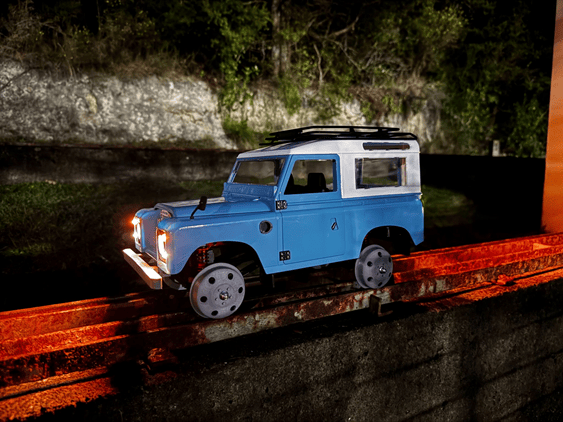
Pinecone released a 1:10-scale RC Land Rover based on the Series 3 that I’ve used for this 5″ gauge model. While not strictly correct in scale, NZR is 1:8.4 on 5″ gauge track to represent 3′ 6″; this was close enough for my purposes. The model is toy-grade, and its scale is a bit variable; however, it looks great on the track.
The front bumper that came with the model didn’t match any of the reference photos of NZR Land Rovers I found. The bumper is held on with only 4 screws, so it was easy to remove, take a few measurements, and model a replacement in Fusion. I printed it in grey ABS plastic, then sanded and painted it before fitting it in place of the original.
The front window didn’t look like a Series Land Rover, so I drew up a surround to split the windscreen and make the windows a bit squarer. I printed this in ABS and glued it to the window with Tombow Mono Liquid Glue, which I find perfect for bonding clear plastic because it doesn’t cause crazing as solvent-based glues can.
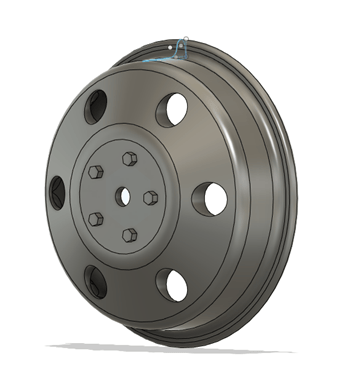
For the wheels, the road wheels supplied with the Land Rover have a standard 12mm hex so that they key to the axles. This meant that the wheels could be a direct bolt-on replacement, allowing the model to be converted back to road wheels if I ever want to. The wheels were drawn up following the NZR drawing 73594, although I had to change a couple of dimensions to get the gauge right; the flange profile follows the International Brotherhood of Live Steamers standard. The axle shafts are threaded for 4mm nuts that hold the wheels on.
The suspension on the model, as supplied, sits a bit higher than I’d like; however, this is an easy fix, as the model has a simple adjustment method with brackets you can unscrew and rotate to lower the suspension. I set this to the lowest setting. The suspension is quite soft, which allows it to track well over rough rail joints.
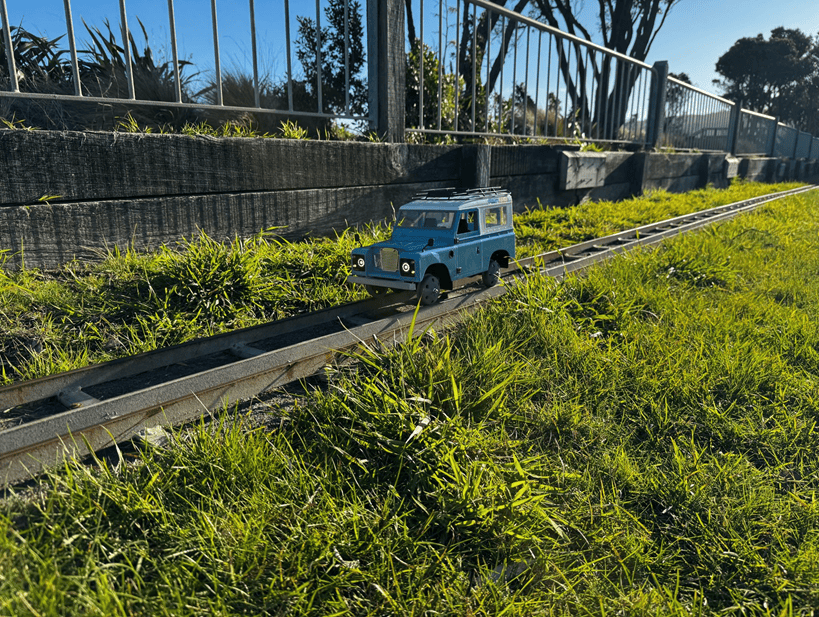
If you want to build your own, the files I drew up for the conversion are available on Printables https://www.printables.com/model/1790423-nzr-land-rover-parts
And finally, the Pinecone models Land Rover is available from their website or AliExpress https://www.pineconemodel.com/sg-rc-cars/1414-249-pinecone-model-sg10091010-110-high-and-low-speed-simulated-climbing-rc-car.html#/34-type-b_2
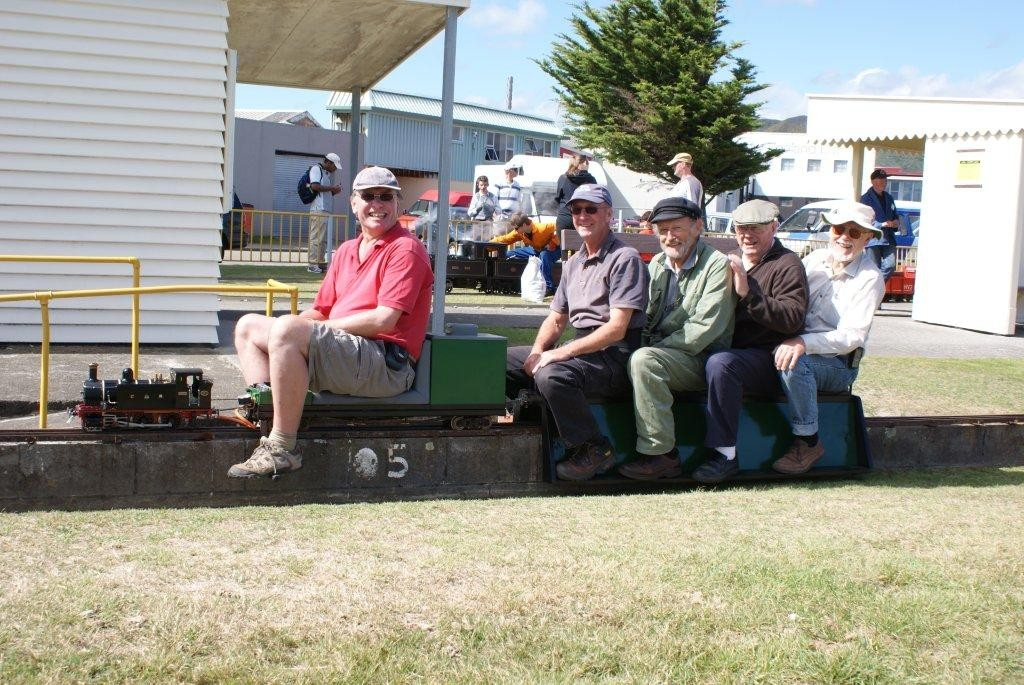
The club-owned raised track has existed for nearly 50 years. Club members maintained it, but it had long since become too costly to maintain, so they decided to replace it. Many options were looked at, and a rather novel solution was chosen.
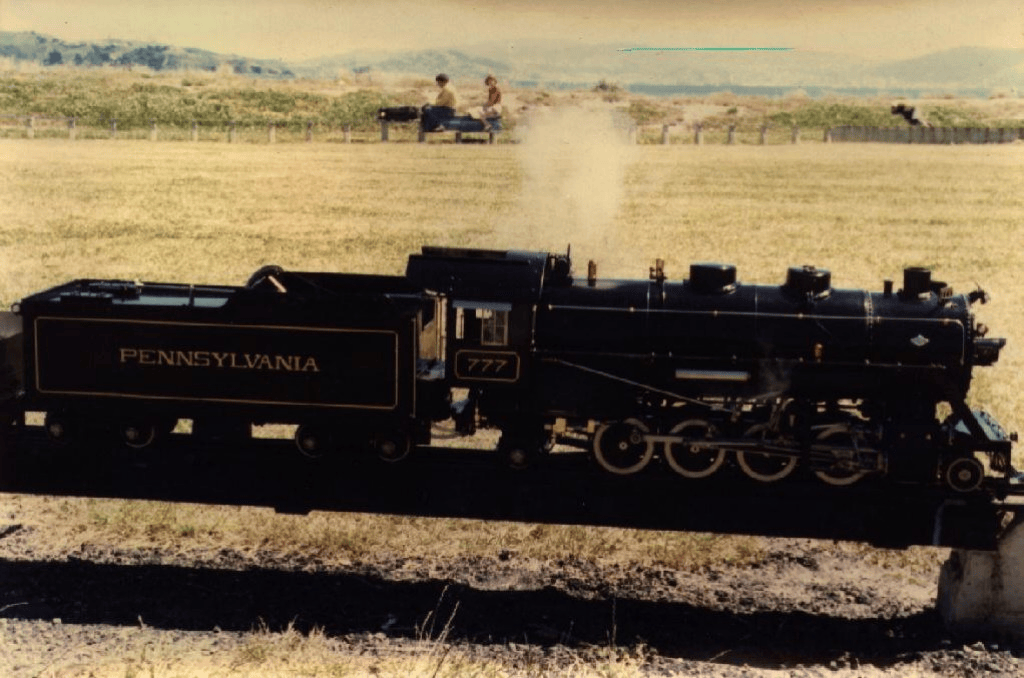
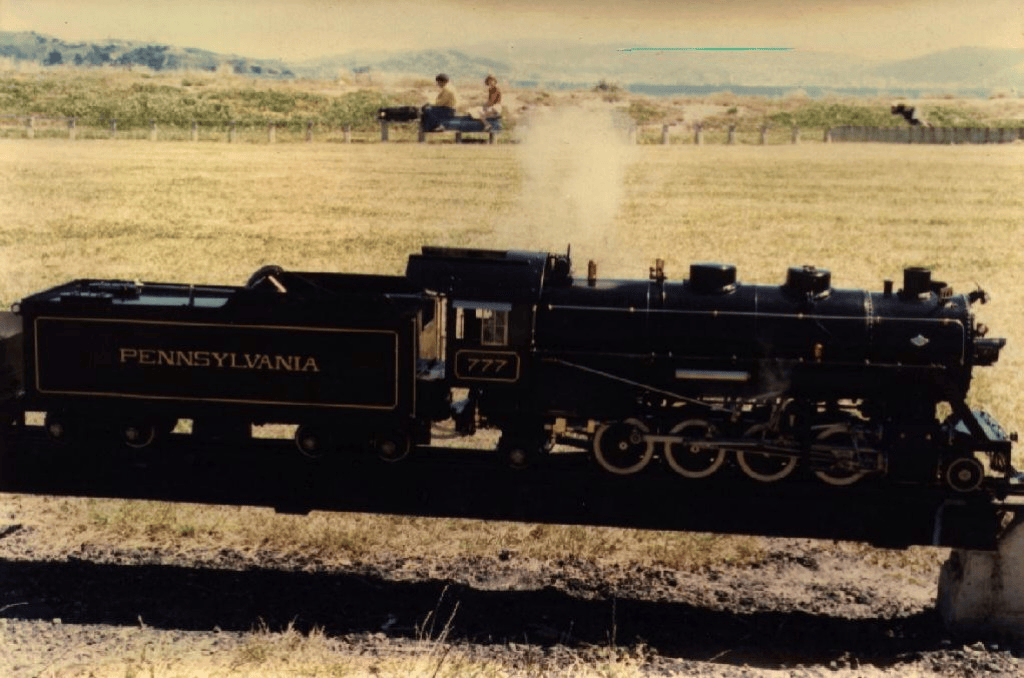
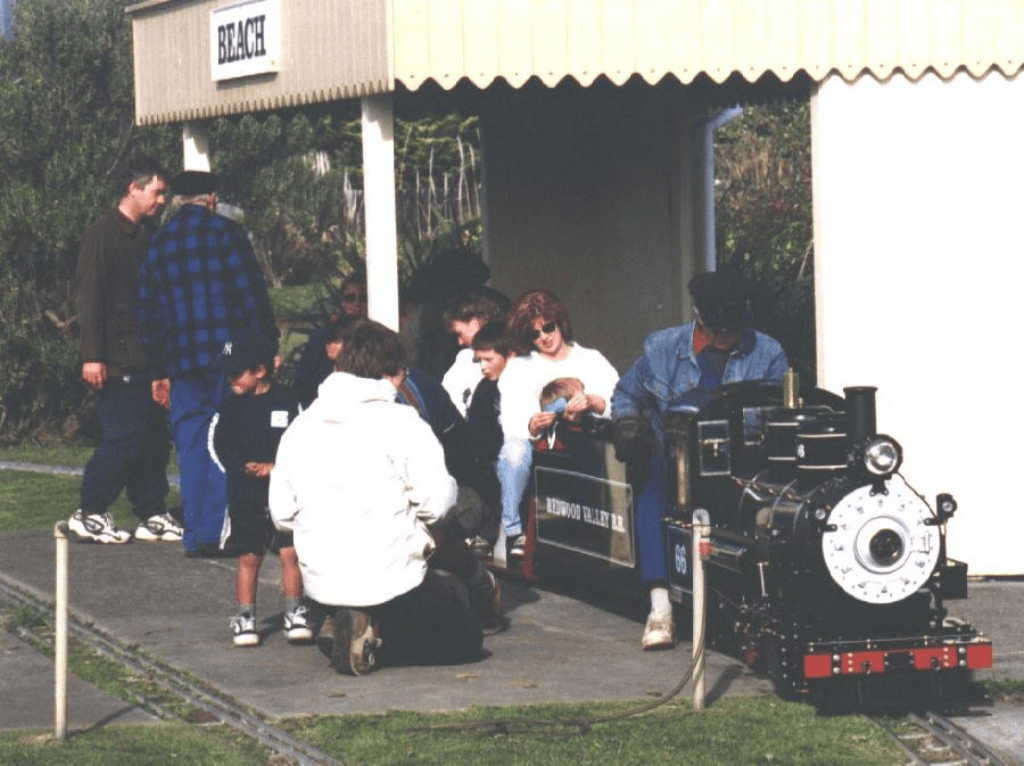
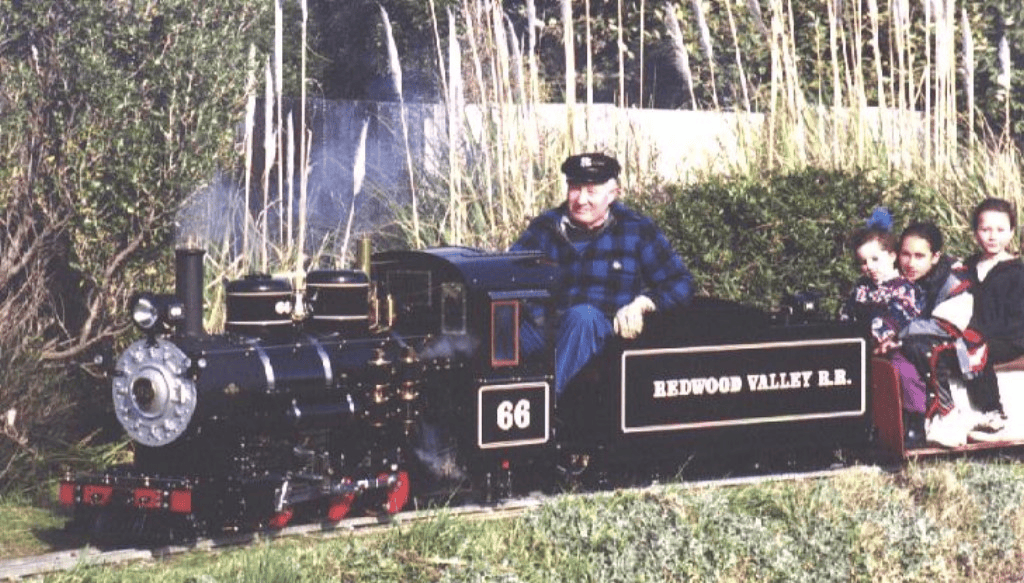
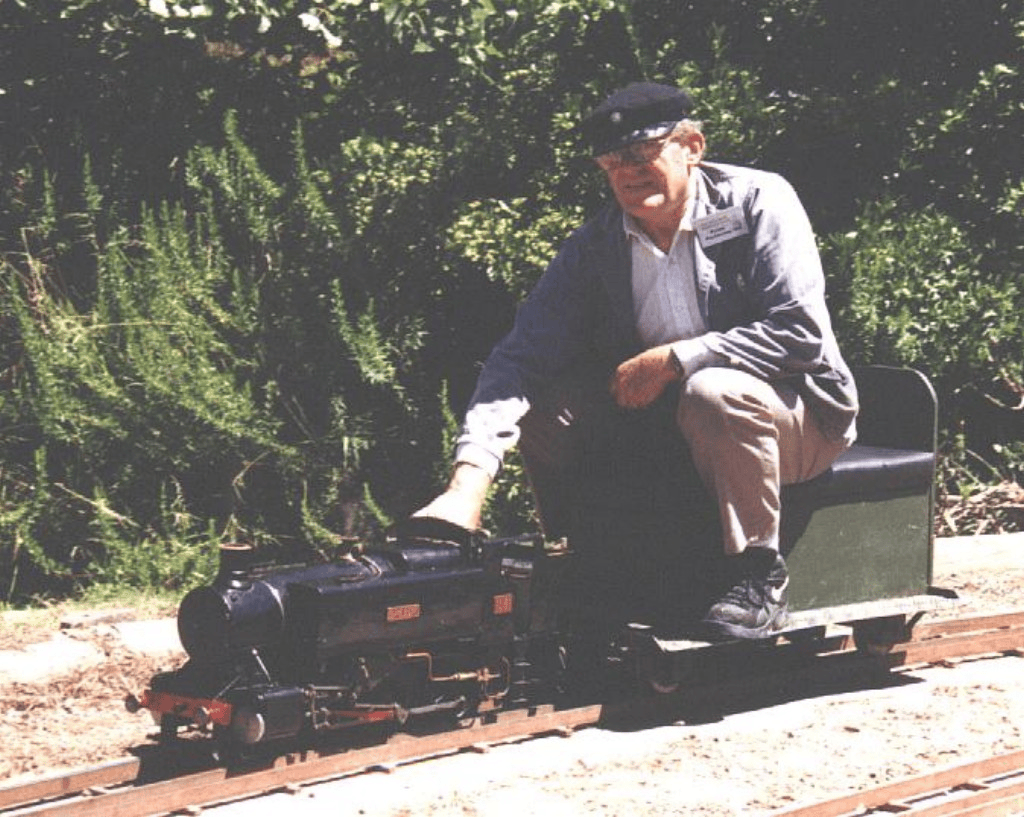
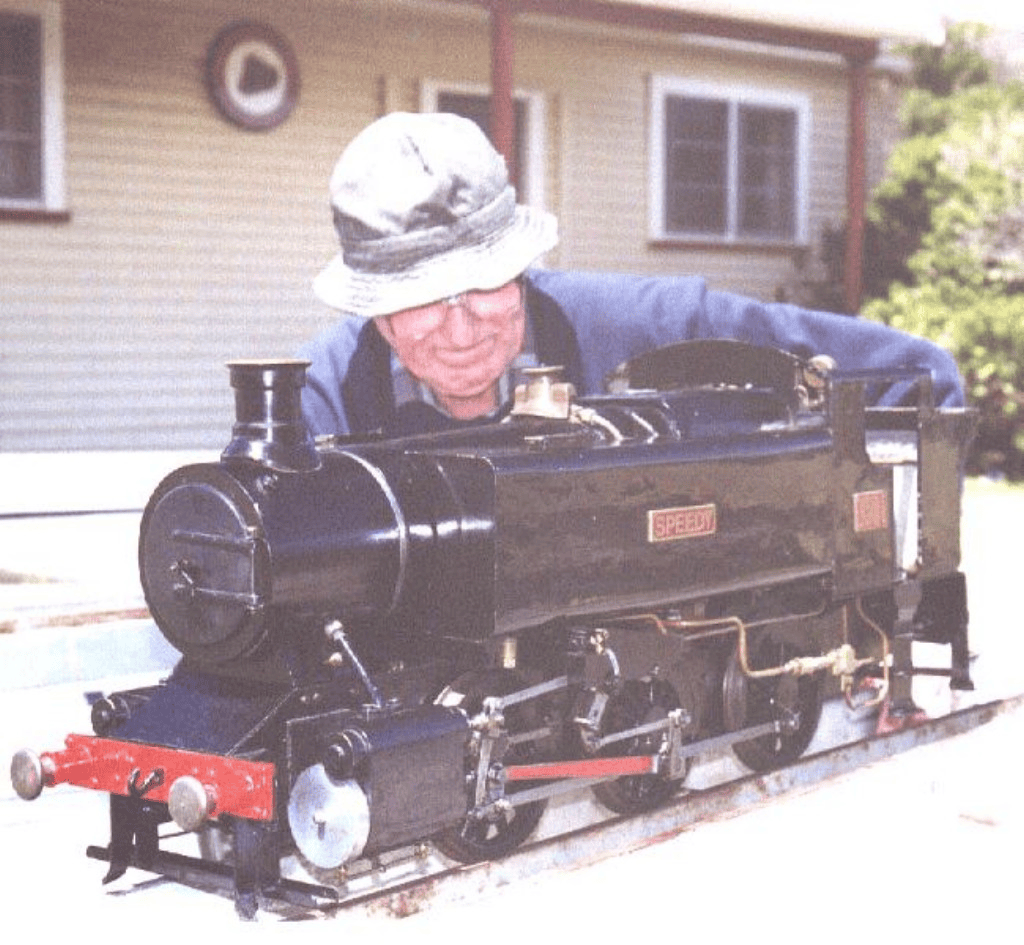
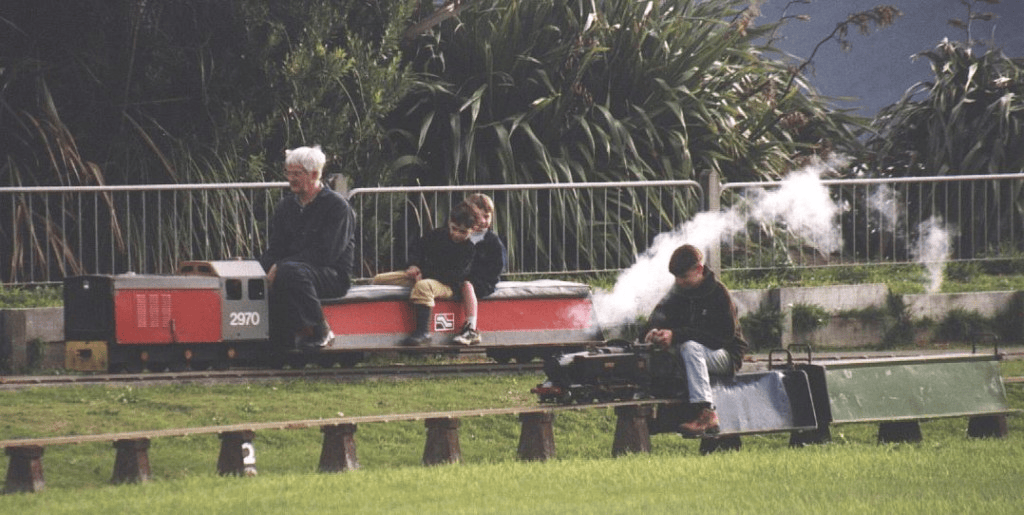
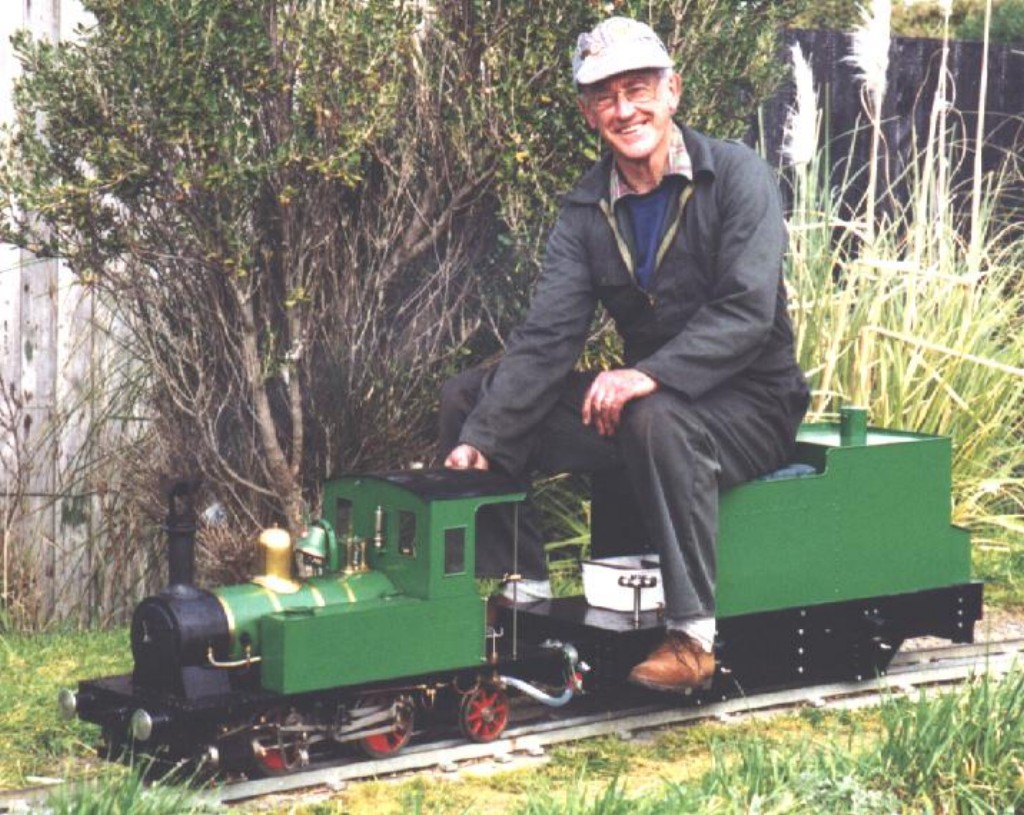
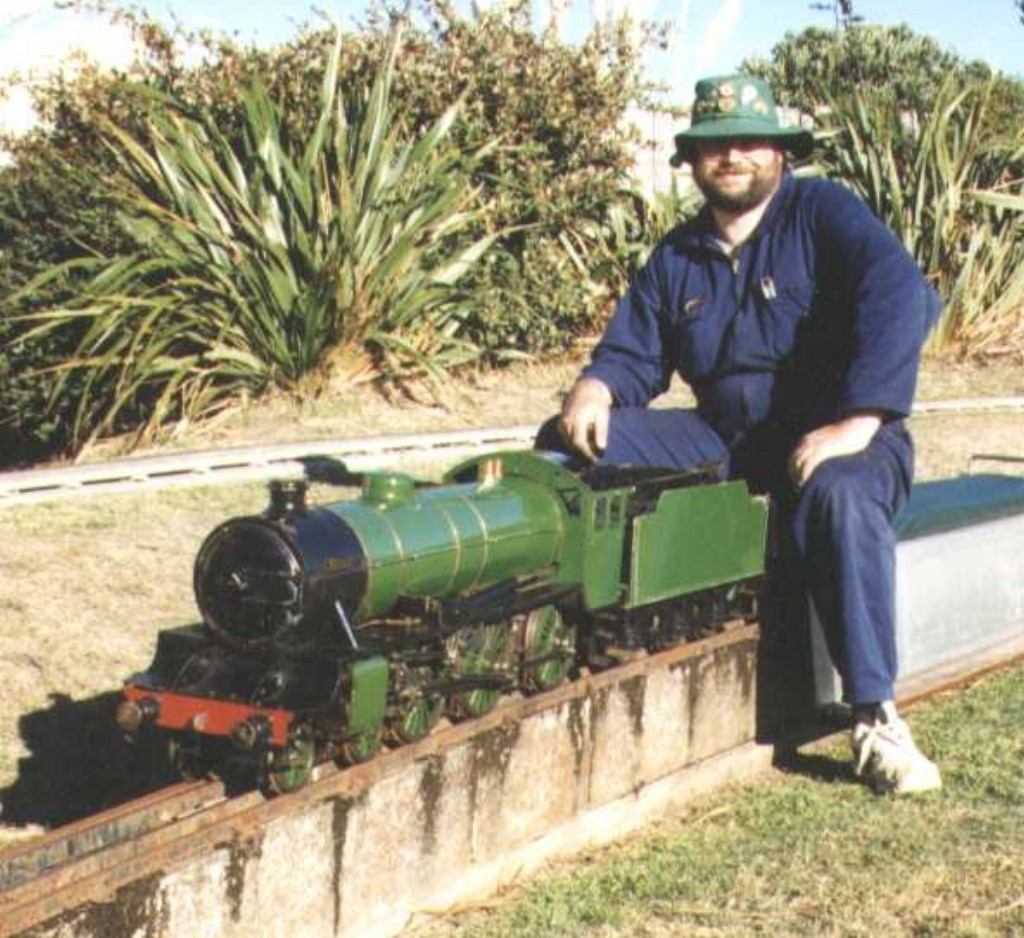
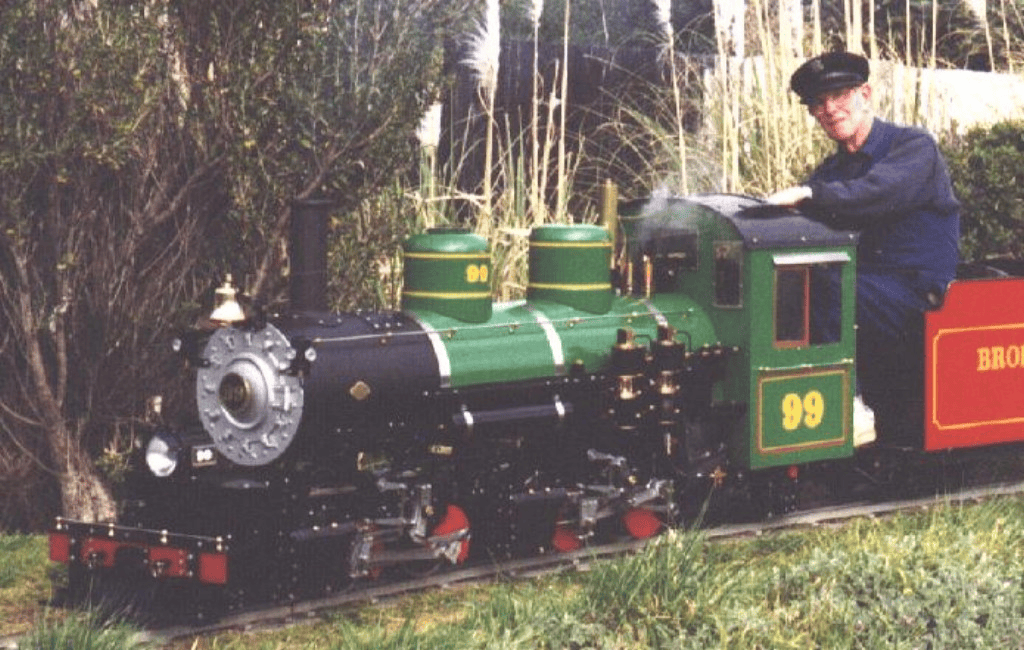
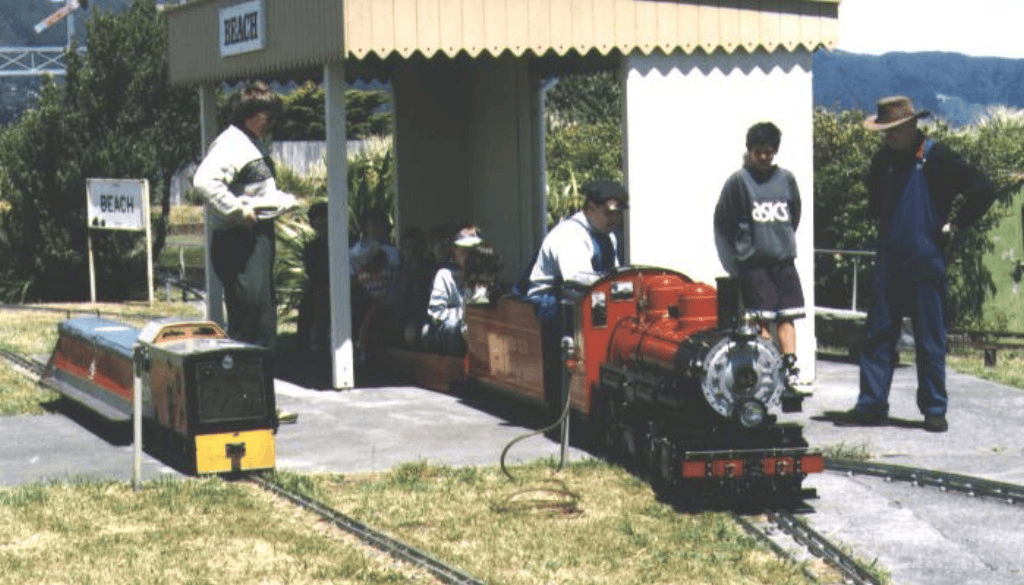
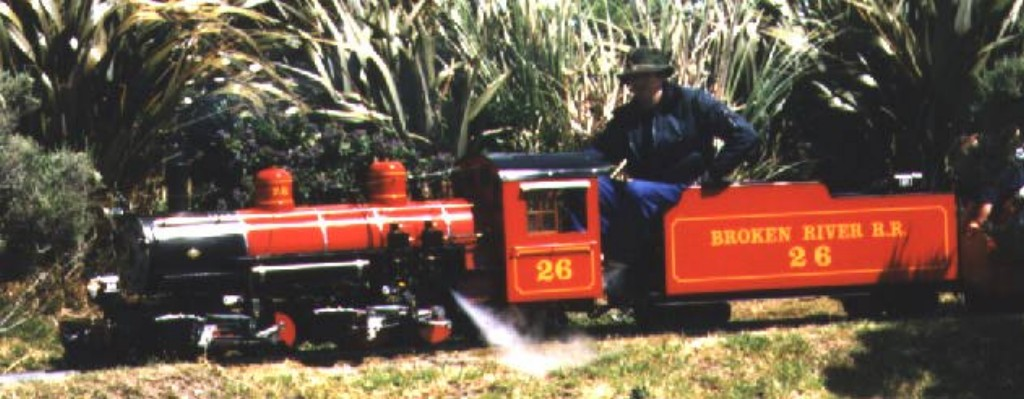
The Petone track has been in place since 1961. Check out the photos below of some of the engines it’s seen over the years.